Relief Reaches 150 Tribal Families in Wayanad’s Disaster-Hit Noolpuzha and Nenmeni
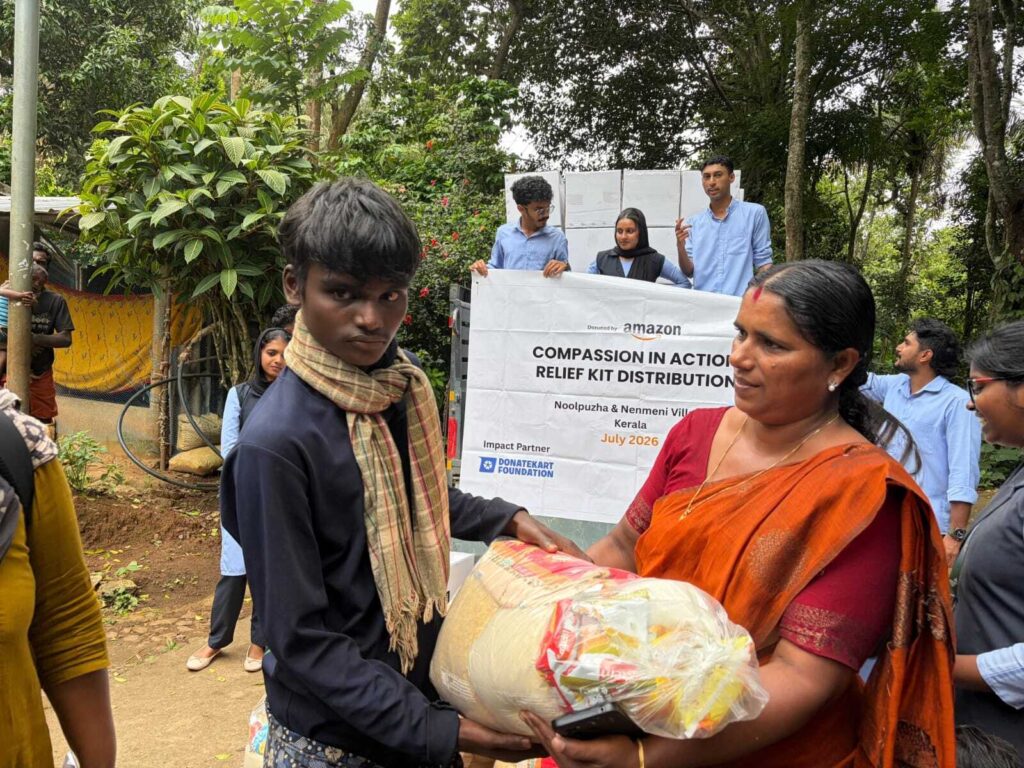
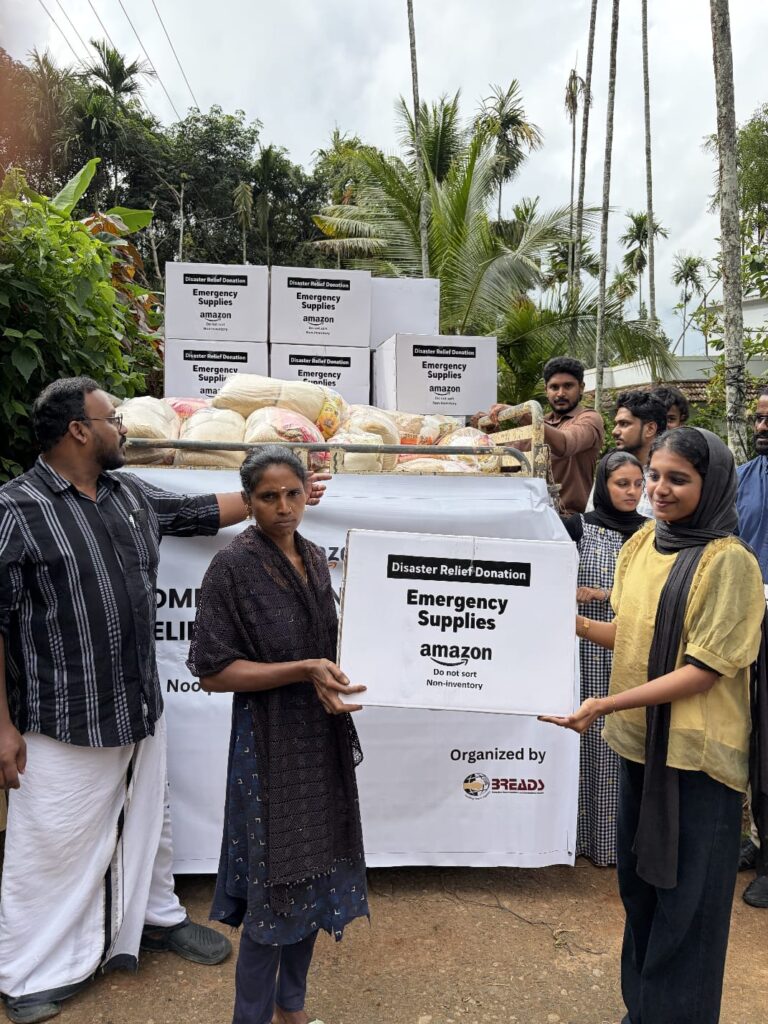
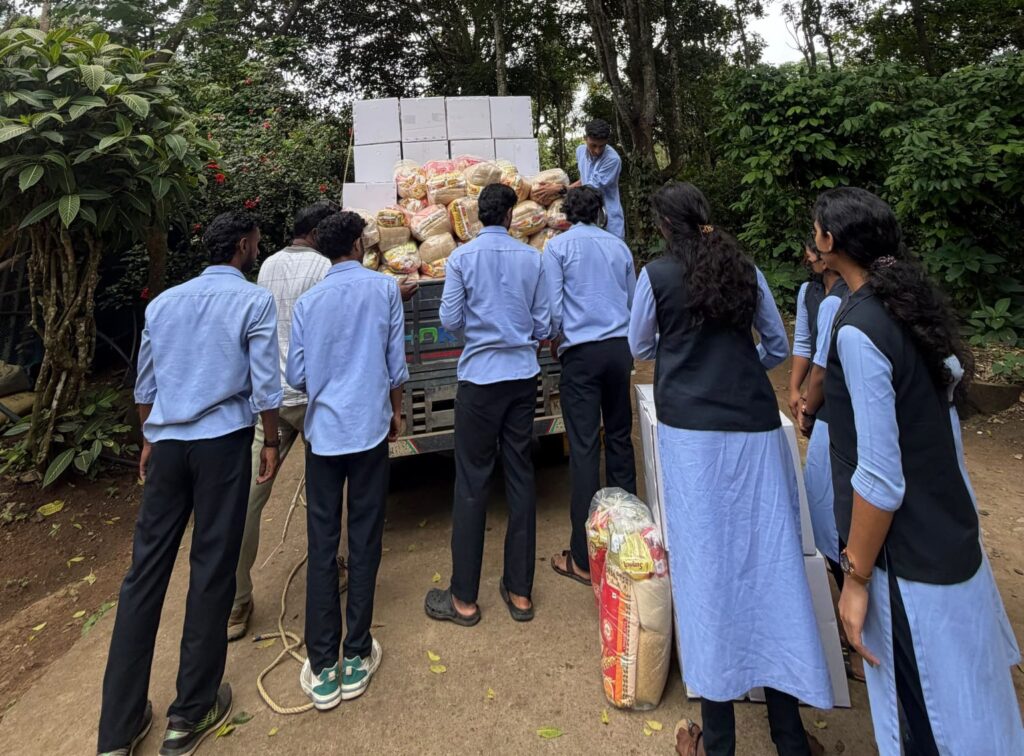
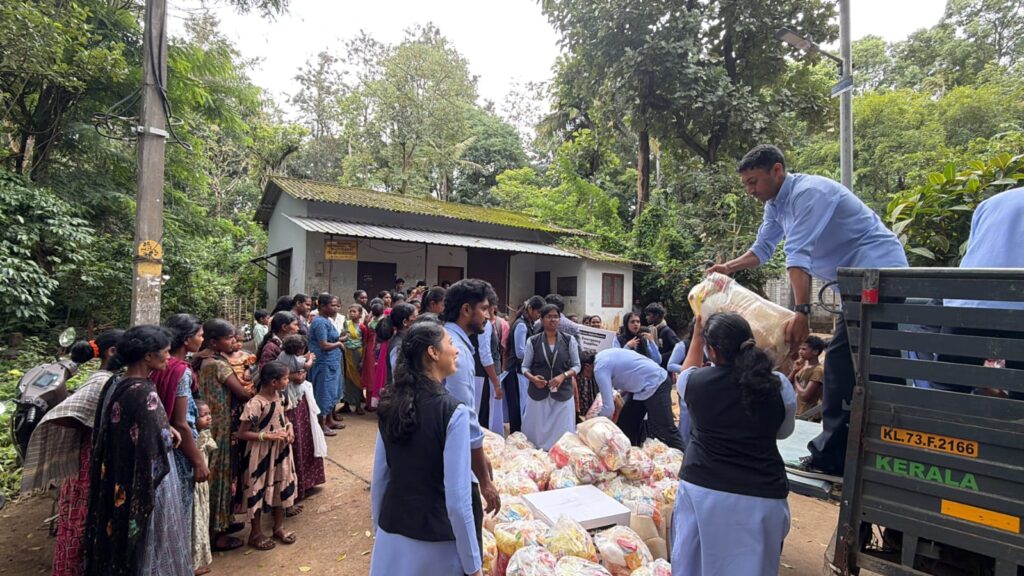
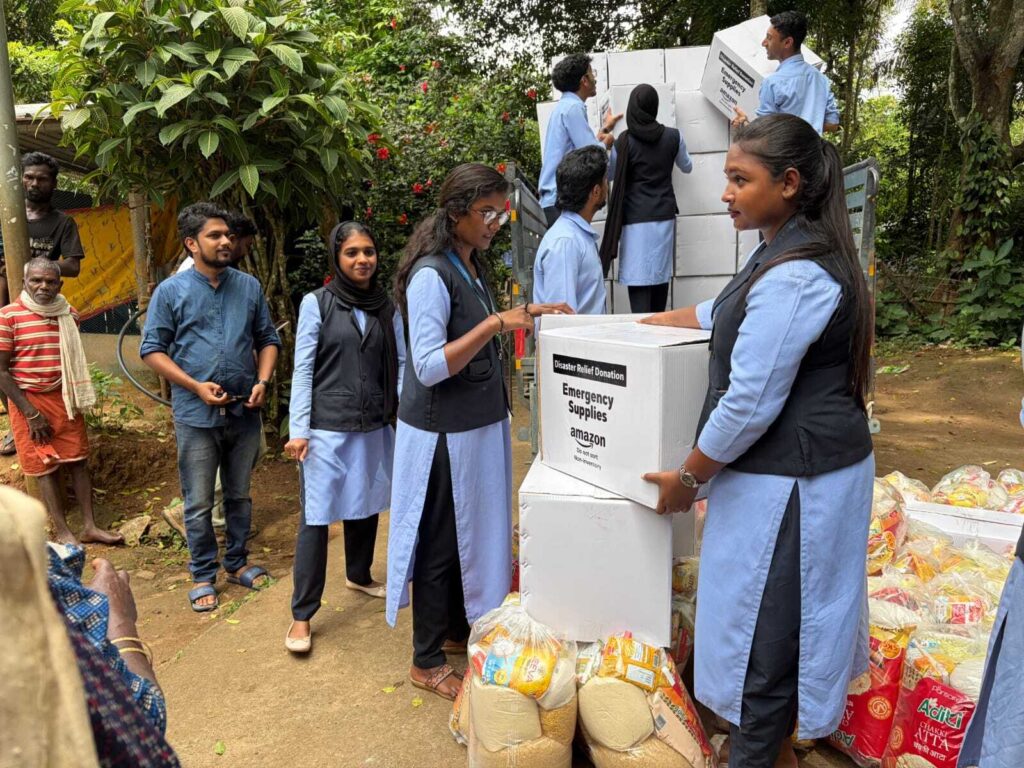
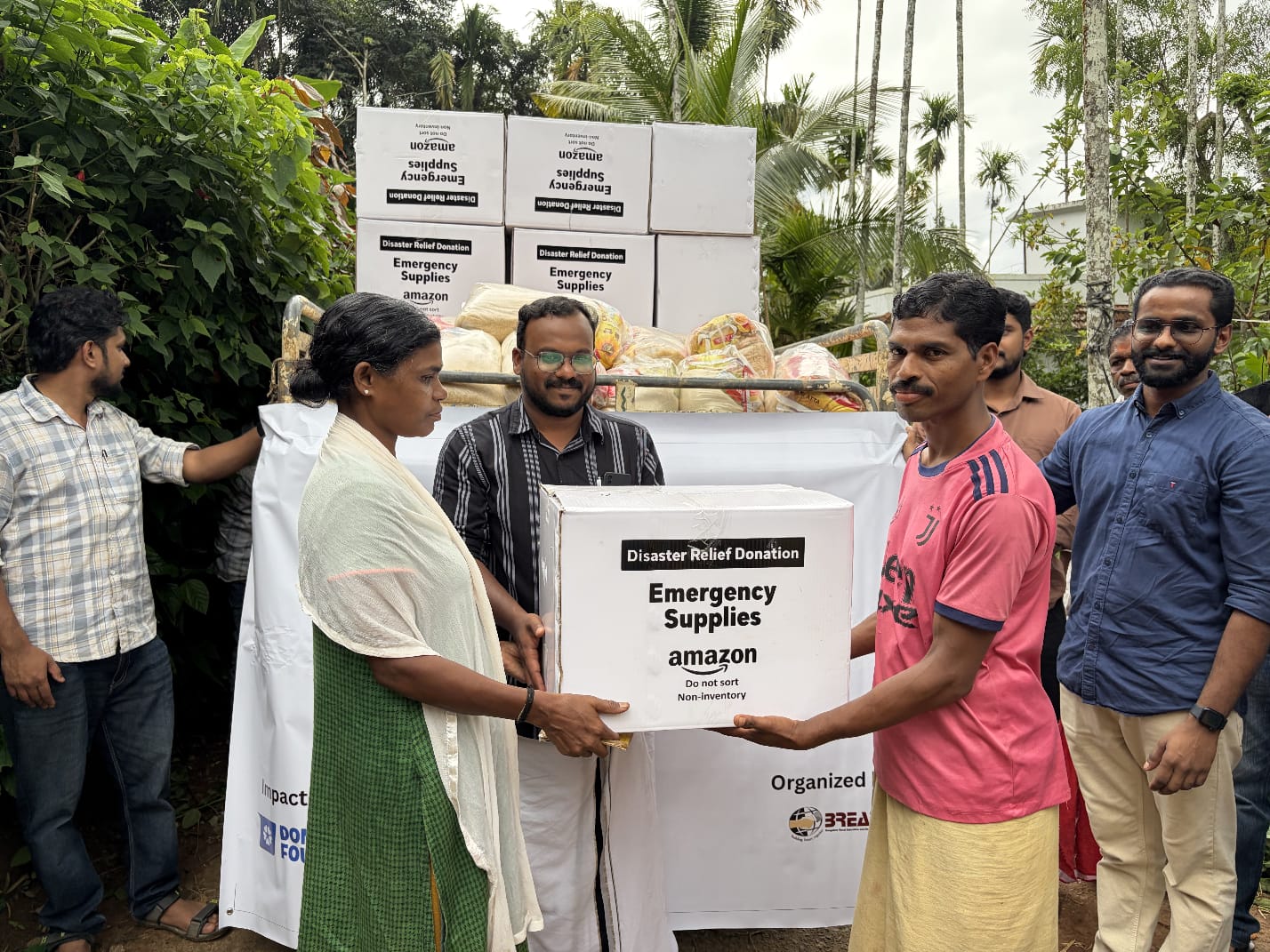
Wayanad, July 23: In a timely humanitarian intervention amid continuing monsoon hardships, the Social Work Department of Don Bosco College, Sulthan Bathery, in collaboration with Amazon, Donatekart and BREADS Bangalore, distributed essential disaster-relief kits to 150 tribal families affected by the recent disaster in the Noolpuzha and Nenmeni panchayats of Wayanad.
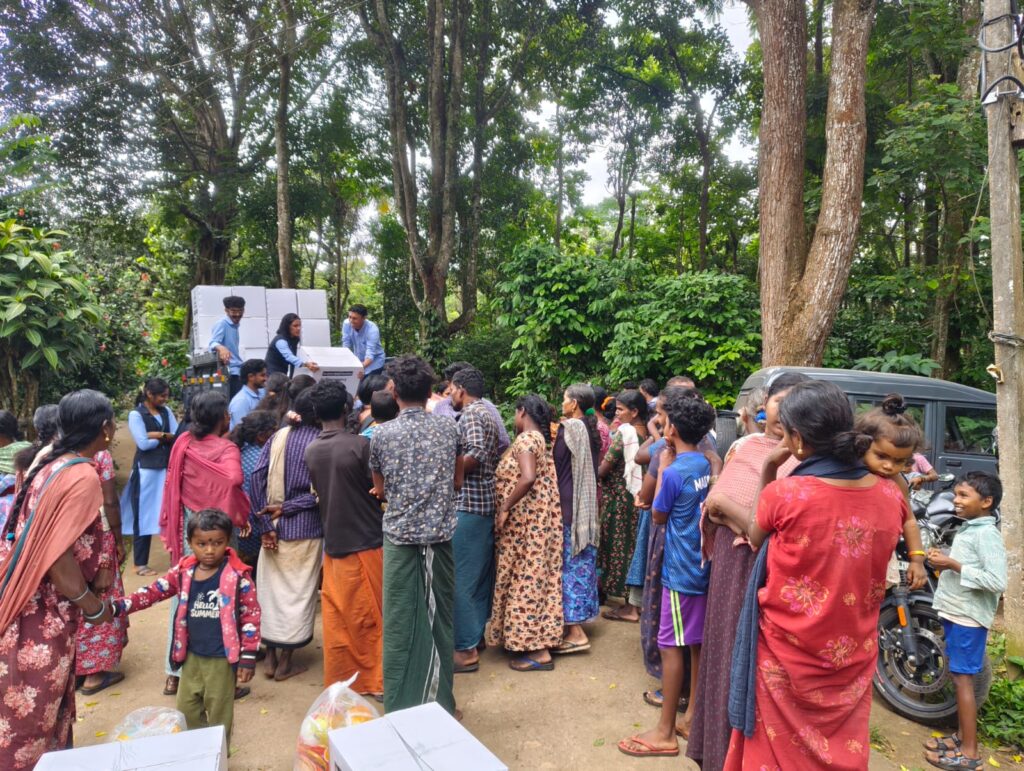
The two-day relief operation, conducted on July 21 and 22, reached vulnerable indigenous communities living in remote and forested areas, where heavy rainfall, damaged homes and disrupted access to markets and essential services had intensified the difficulties faced by families dependent largely on daily-wage labour and minor forest produce.
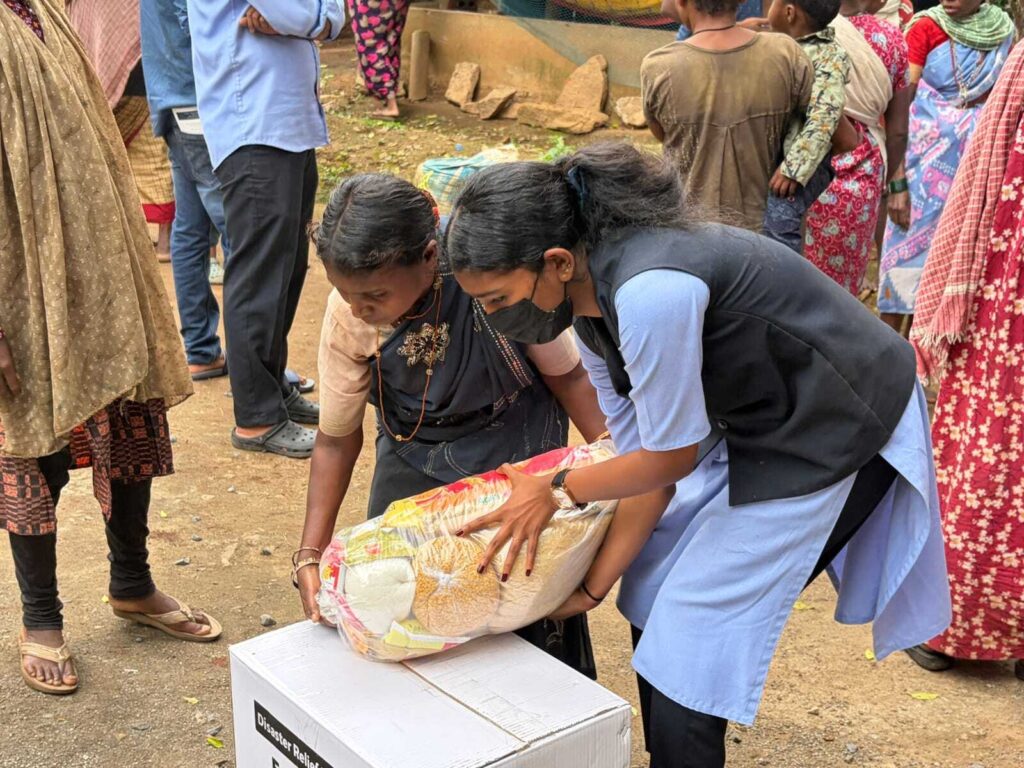
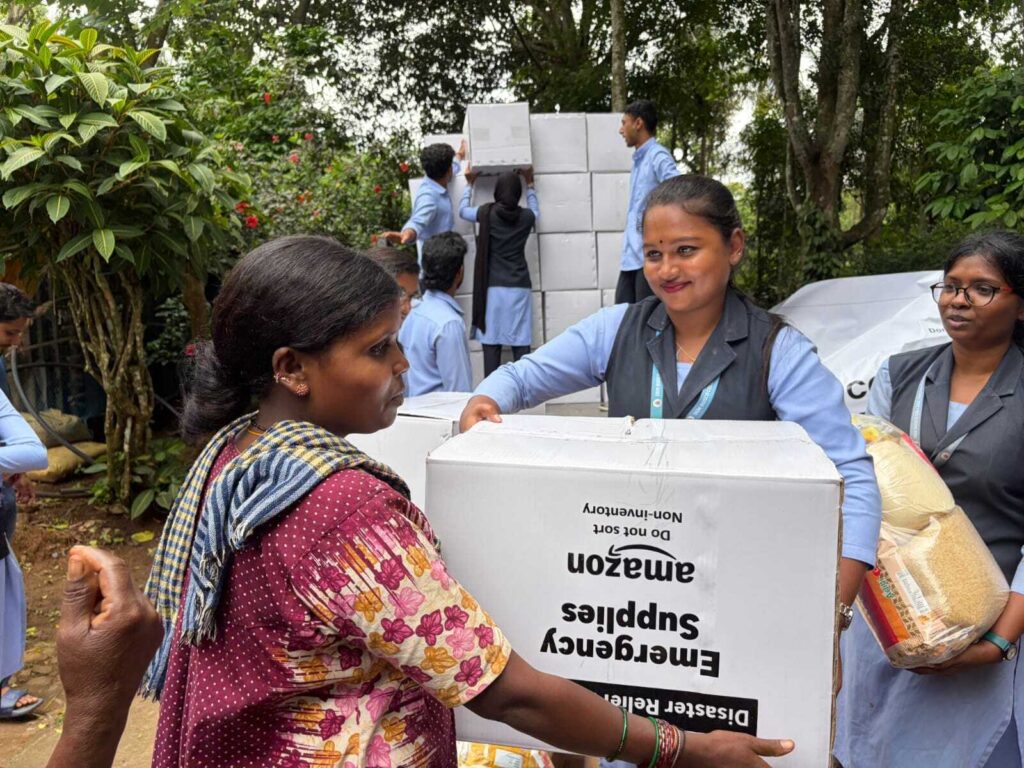
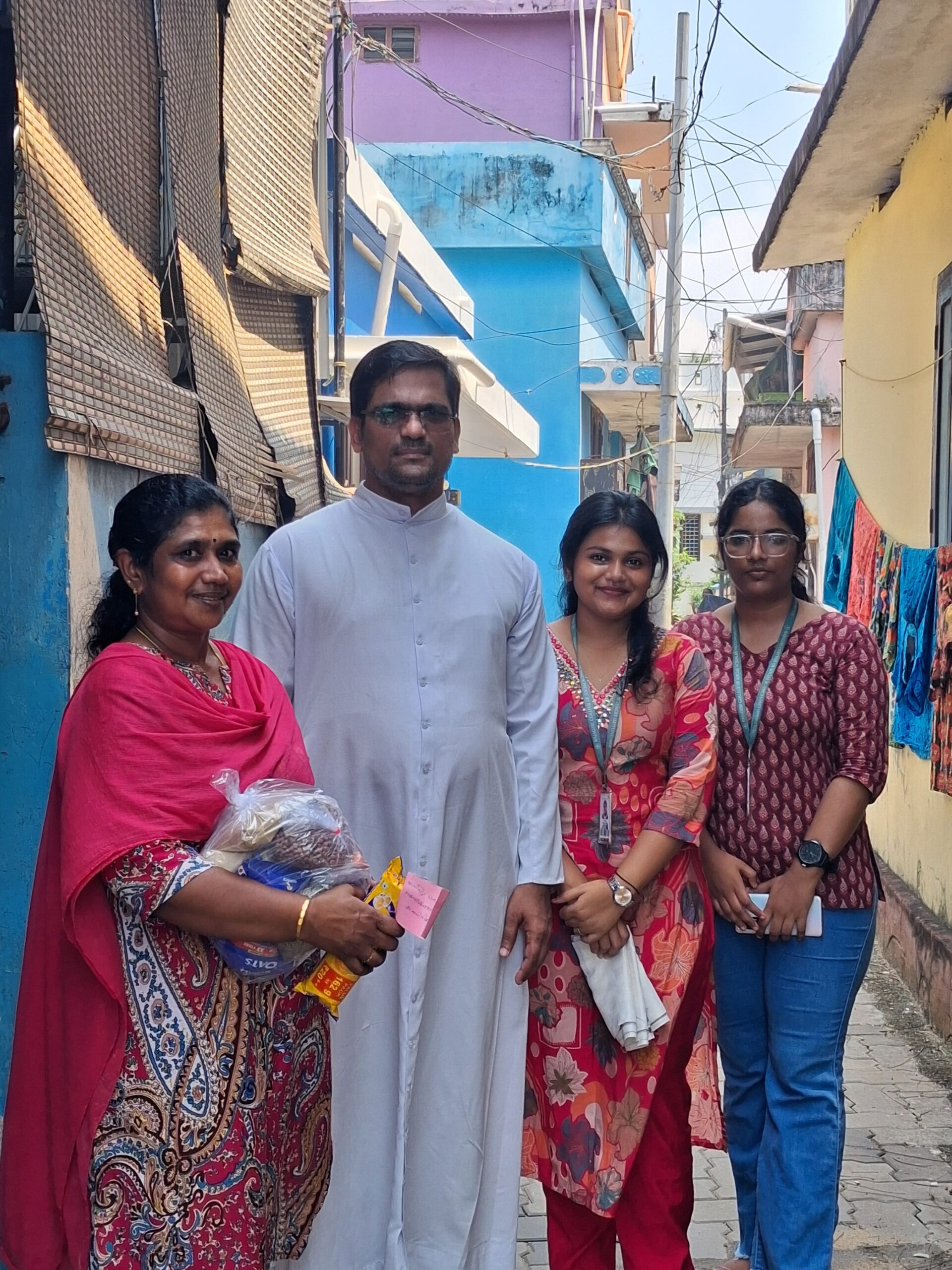
The relief distribution included shelter kits, hygiene kits and ration kits, addressing some of the most immediate needs of families affected by the disaster. The shelter materials were particularly significant for households whose roofs and temporary structures had been damaged, while the ration kits provided essential food supplies to communities facing difficulties in accessing local markets. Hygiene materials were distributed to help families maintain basic health and sanitation amid unsafe and contaminated surroundings.
The beneficiaries were identified on the basis of the severity of damage to their homes, loss of primary income and overall economic vulnerability. Particular attention was given to marginalized tribal families living in isolated forest settlements. A preliminary ground survey by volunteers was followed by consultation and verification with officials of the Noolpuzha and Nenmeni Gram Panchayats, helping ensure that assistance reached families most in need.
Local panchayat authorities played an important role in facilitating the initiative by helping identify and verify affected families and providing accessible venues for the distribution. SIGHT Wayanad, grassroots volunteers and panchayat representatives also supported the relief team in coordinating logistics, transportation and the orderly distribution of materials.
The first phase of the operation was held at Noolpuzha on July 21, where relief materials were distributed to severely affected households. The team then moved to Nenmeni on July 22, navigating difficult and damaged roads as well as forested terrain to reach families in remote settlements.
For many beneficiaries, the relief arrived at a critical moment. Families whose homes had been exposed to rain following roof damage received tarpaulins and other shelter materials, while food kits offered immediate support to households struggling with disrupted supply chains. Hygiene kits containing essential sanitation materials also provided assistance to families facing increased health risks due to stagnant and contaminated water.
The intervention also brought moments of emotional relief to the affected communities. Malli, a 60-year-old tribal widow from Nenmeni, who had lost her mud-and-thatch home in the disaster and was sheltering with her two grandchildren under a temporary plastic sheet, was among those who received the relief materials. The shelter kit enabled the family to strengthen their temporary living arrangement, while the ration and hygiene kits addressed their immediate food and sanitation needs.
The relief programme demonstrated the importance of coordinated community action during times of disaster. The combined efforts of the Social Work Department, partner organizations, local authorities and grassroots volunteers enabled essential supplies to reach vulnerable families despite difficult weather and damaged infrastructure.
With 150 families receiving shelter, food and hygiene support, the initiative offered more than immediate material assistance—it provided a measure of security and dignity to communities facing the aftermath of disaster. The programme underscored the role of educational institutions and community organizations in responding swiftly to humanitarian crises and standing alongside vulnerable communities during times of need.